Sutradara Film Diduga Gunakan Dana dari Netflix Untuk Investasi Dogecoin Liputan6.com
Source link ]]>
Ardana (DANA) is a protocol developed on the Cardano platform with the aim of enhancing transaction efficiency between stablecoins. To better understand how it works, its outstanding features and the development roadmap of Ardana (DANA) refer to the article below.
Ardana is a DeFi hub built on the Cardano blockchain. Ardana provides Cardano’s users with tried and tested DeFi primitives that will catalyze and sustain its financial ecosystem. The first is a decentralized stablecoin platform that enables users to leverage supported Cardano native assets by generating stablecoins against them; the second is Danaswap, which enables high-efficiency swaps between stable asset sets, and provides a venue for liquidity providers to earn trading fees & DANA rewards for their liquidity provisioning.

Ardana is an ecosystem of independently functioning, yet symbiotically operating DeFi protocols on Cardano. From a DeFi macro-perspective, Ardana & its constituent protocols have been designed individually & collectively to function as a financial base layer for the nascent Cardano decentralized economy by using historically proven protocol models based on capital efficiency, stability, and composability.
What is the project trying to achieve?
How does Cardano work?
Cardano’s native blockchain is divided into two separate layers to fulfill different tasks and improve overall efficiency. They are:
- Cardano Settlement Layer (CSL): Used for facilitating peer-to-peer transactions of ADA-native tokens
- Cardano Computational Layer (CCL): Used for executing smart contracts
Proof of Stake (PoS)
The Cardano blockchain operates using a proof-of-stake (PoS) consensus mechanism for discovering new blocks and adding transaction data to the blockchain called “Ouroboros.” This PoS system involves ADA holders locking up, aka “staking,” their coins in pools operated by other participants or becoming operators of stake pools themselves.
While anyone can run their own staking pool, it does require a level of technical expertise to do so successfully. Rewards for adding new blocks to the chain are distributed among the stake-pool operator and stakers after every epoch finishes (5 days), proportionate to how many coins are staked in the pool by each person.
The more coins collectively held in a stake pool, the greater the chance it will get randomly selected to become a slot leader and add the next block in the chain. Think of staked coins like lottery tickets. While having more tickets increases your chances of winning it doesn’t guarantee you will. To prevent giant pools from dominating the system, each staking pool is governed by a “saturation parameter” which essentially offers stake pools lower rewards once they reach a certain capacity to incentivize ADA stakers to relocate their coins to smaller pools.
Ouroboros
The Ouroboros consensus system is different from Bitcoin’s proof-of-work (PoW) system, which requires users to compete using specialized computer equipment to discover the next block and has no built-in feature that discourages monopolistic mining operations (other than the fact that bitcoin’s value depends on its being controlled by no one).
In order to create new blocks, Ouroboros uses a time-period system called “epochs” where each epoch lasts five days. Inside each epoch, there are 21,600 smaller units of time called slots, or one slot every 20 seconds. Stake pools are randomly assigned to each slot as a “slot leader” and tasked with creating a new block for that slot.
What is unique selling point?
- Fully Decentralized: Unbiased, collateral backed, and pegged to the US Dollar.
- Borrowing: This allows users to borrow stablecoins against locked collateral.
- Store of Value: Secure store of value preserving value even in volatile markets.
- Powered by Cardano: Built utilizing Cardano’s speed, scalability and security.
Cardano uses the EUTXO (Extended Unspent Transaction Output) accounting model for its transactions which is an extension of the standard UTXO model enabling expressive smart contracts while keeping the semantic simplicity of the UTXO model.

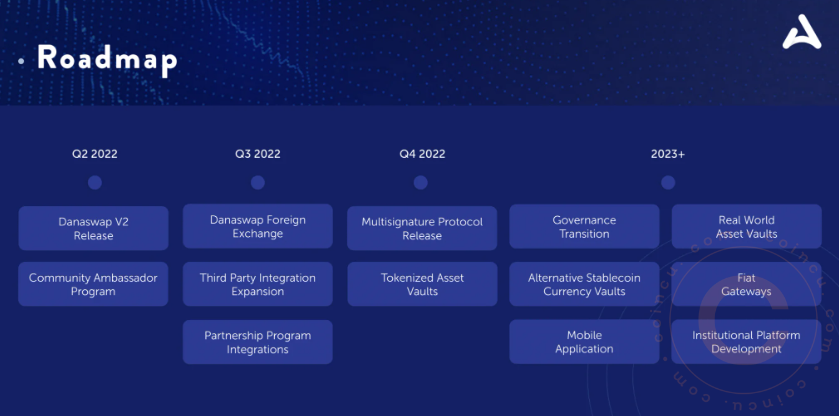
Roadmap
Key metrics
- Token Name: Ardana
- Ticker: DANA
- Blockchain: Cardano
- Token Standard: Updating…
- Contract: Updating…
- Token type: Utility & Governance
- Total Supply: 125,000,000 DANA
- Circulating Supply: Updating…
Token allocation

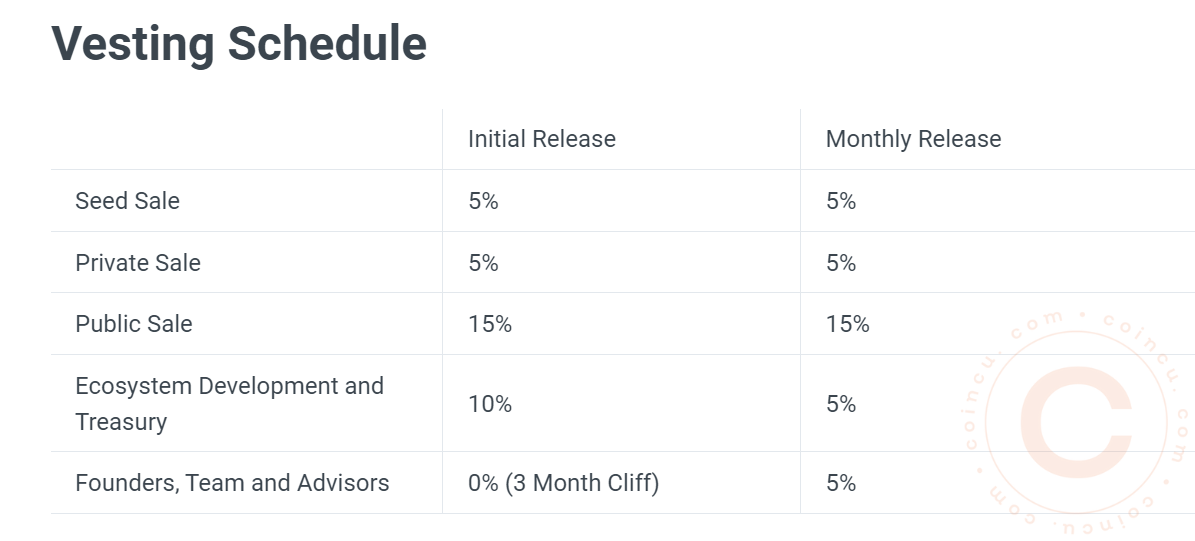
Token release schedule
Token sale
Updating…
Token use case
DANA is used to:
- Staking: Holders can stake their ADA tokens to be rewarded with a portion of the protocol fees on Ardana.
- Governance: DANA token holders have the right to participate in the governance of Ardana.
How to own the token?
Updating…
Markets
Cardano has set a new record for more than 100 smart contracts completed just two days after the release of the highly publicized Alonzo Hardfork. Plutus’ smart contract capabilities, which broke a contract record of 100, confirm the seamless integration of the new upgrade. The success came as a victory for Cardano after a flood of complaints about its smart contract inefficiencies flooded in the lead-up to its release.
With the new milestone, Cardano will seek to become the new haven for decentralized applications (DApps), decentralized finance (DeFi) applications, and non-alternative tokens (NFTs). There are already over 780,000 NFTs minted on its platform.
Community
Ardana has crossed the mark of 54,000 Followers on Twitter

Team/ Founders

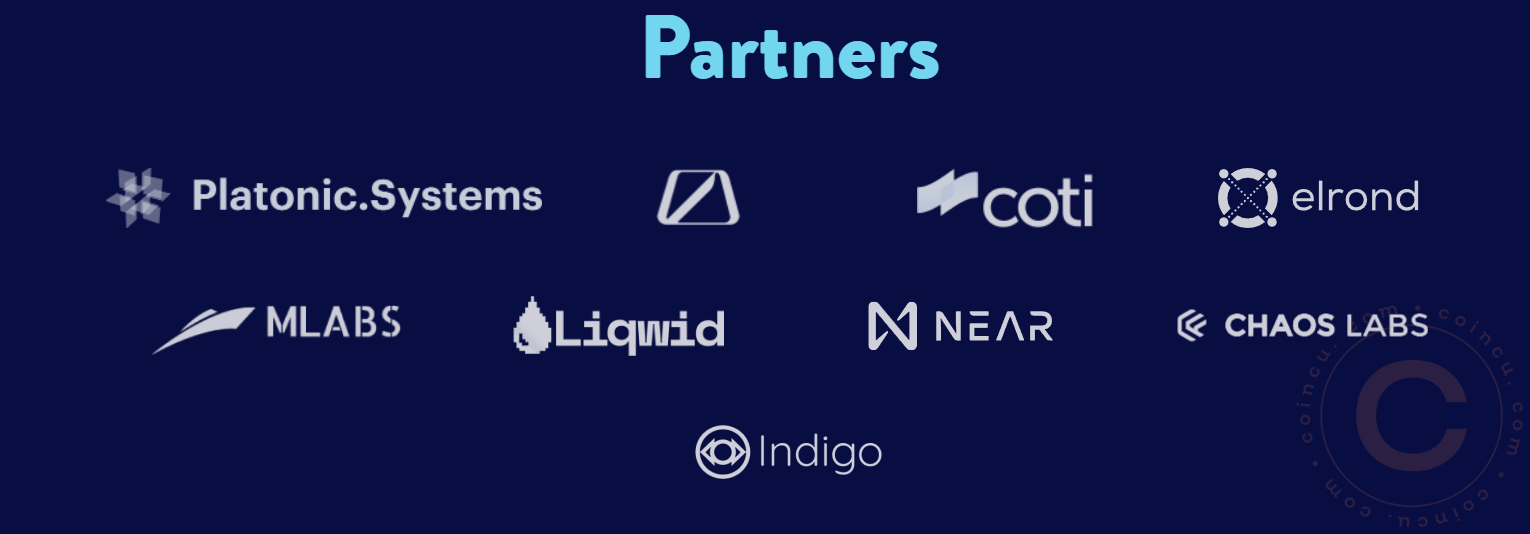
Partners
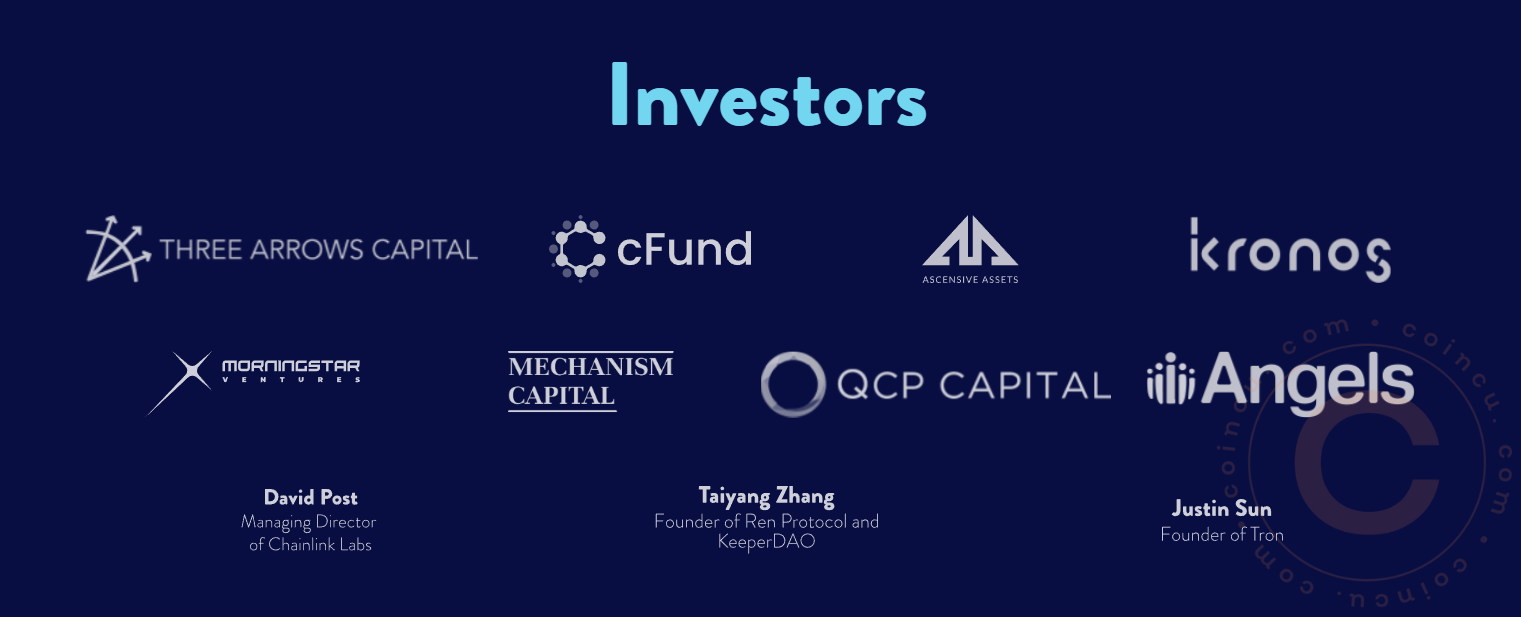
Investors
The goal of the Ardana platform is to create an ecosystem that can provide financing options to token holders while also providing them with the opportunity to earn. Matovu (project founder) and his associates have achieved this goal by leveraging the power of the Cardano ecosystem.
Find more information about Ardana:
Website: https://ardana.org/
Twitter: https://twitter.com/ardanaproject
Whitepaper: https://docs.ardana.org/
Telegram: https://t.me/ardanaofficial
If you have any questions, comments, suggestions, or ideas about the project, please email [email protected].
DISCLAIMER: The Information on this website is provided as general market commentary, and does not constitute investment advice. We encourage you to do your own research before investing.
Elise
Coincu Ventures
Disclaimer: Cardano Feed is a Decentralized News Aggregator that enables journalists, influencers, editors, publishers, websites and community members to share news about the Cardano Ecosystem. User must always do their own research and none of those articles are financial advices. The content is for informational purposes only and does not necessarily reflect our opinion.
]]>Cardano-based stablecoin hub, Ardana has announced that it will be conducting the first of two public sale rounds for its native token DANA in October.
Public Token Sale set for October 28
The public sale will be conducted on its website at https://sale.ardana.org and provide its bolstering community with the opportunity to purchase its utility token DANA.
Interested participants will be required to submit their applications and complete KYC during the registration phase starting October 14, 2021, by 2 pm UTC. Ardana has allotted 8,000 slots for the registration phase, with 2,000 slots for the final token sale phase.
The public sale is scheduled to hold on October 28 2021, by 2 pm. A total of 1,666,666 DANA tokens will be made available for public sale at a base price of $0.60 per token. Participants are capped to a maximum allocation of $500 per token address.
After the token sale, 30% of the tokens will be released initially. The remaining allocations will be released across two months (30% and 40%, respectively). Participants can buy DANA tokens using USDT, USDC and ETH using ERC-20 wallets and supported wallets like MetaMask.
Once the token sale is over, participants will be required to set up a secure Cardano wallet to receive and store their DANA tokens. Interested participants can follow this instruction to get started.
A Major Milestone for Ardana
The launch of the Ardana public sale represents a significant milestone for the fast-growing stablecoin hub.
According to Ardana, the public sale is designed to be as inclusive as possible, and there are several parameters added to achieve this.
This includes implementing a low contribution threshold to prevent manipulation by whales, ensuring all community members have a fair chance to partake in the sale, and ensuring the base price of the token is minimal.
Ardana also revealed that a second token sale would be holding on the Occam launchpad with key details announced in the future.
About Ardana
Ardana is Cardano’s stablecoin hub which will bring the necessary DeFi primitives needed to bootstrap & maintain any economy to Cardano.
Ardana offers an on-chain asset-backed stablecoin and a decentralized stable-asset DEX. The stablecoin is verifiably backed by an excess of on-chain collateral and will enable borrowers to take leverage on their ADA or other supported assets.
The DEX is a highly capital efficient exchange enabling swaps with minimal slippage & fees while providing low-risk yield opportunities to liquidity providers.
Website | Discord | Telegram | Twitter | Whitepaper | Pitch Deck
Like BTCMANAGER? Send us a tip!
Our Bitcoin Address: 3AbQrAyRsdM5NX5BQh8qWYePEpGjCYLCy4