The Ethereum Foundation has confirmed a significant security breach involving its official email system managed through the third-party service provider, SendPulse. Tim Beiko, a prominent figure at the Ethereum Foundation, raised the alarm on the social media platform X, revealing that the “updates@ethereum.org” mailing list had been compromised. This breach has exposed subscribers to phishing attempts designed to mimic official communications from the Foundation.
Ethereum Foundation Issues Urgent Scam Warning
The breach was initially disclosed by Tim Beiko, who posted a cautionary message on X. “PSA: it seems like the mailing list provider the EF uses for ‘updates@ethereum.org’ has been compromised,” Beiko stated. He immediately advised against clicking any links from emails purportedly sent by the Foundation. To assist in recognition of these phishing attempts, Beiko shared an example of a fraudulent email that promised an innovative staking platform in collaboration with Lido DAO, falsely offering a 6.8% APY on staked ETH variants such as stETH, wETH, or ETH.
The phishing email crafted by the attackers was sophisticated in its approach, presenting itself as an enticing investment opportunity. It mentioned a collaborative effort between Ethereum Foundation and Lido DAO, known for their staking services, to introduce a staking platform backed by “best-in-class security” and “over 100+ integrations” aimed at enhancing the staking experience. By offering high returns and leveraging the reputable names of Ethereum and Lido DAO, the email aimed to trick users into clicking on malicious links that could potentially lead to data theft or malware installation.
Following this, Beiko updated the community: “Confirming we managed to send out an update. We should have locked down all external access, but still confirming.” This indicates that the Foundation’s IT team had taken steps to regain control of the compromised account and was in the process of validating the security measures implemented to prevent further unauthorized access.
The Ethereum Foundation, in conjunction with SendPulse, is actively investigating the breach to understand the extent and method of the attack. Initial findings suggest that the attackers exploited vulnerabilities within SendPulse’s security framework to gain unauthorized access to the email list. This incident highlights potential security flaws in the integration of third-party service providers with critical communication systems.
In response to the breach, the Ethereum Foundation has issued a rectification notice via its official blog and email system, instructing users to disregard the previous phishing emails and to avoid engaging with any suspicious links or attachments. The rectification email stated, “IMPORTANT: updates@ethereum.org compromised. Disregard previous emails,” clearly instructing the community on how to avoid potential security risks associated with the breach.
The Ethereum Foundation has advised its community members to double-check the authenticity of any communications claiming to be from the Foundation. Users are encouraged to verify messages by directly contacting the organization through its official channels or by following updates on the Foundation’s official social media handles and website.
Furthermore, the community is urged to report any suspicious activities or emails that mimic the Foundation’s communications, as this will help in curtailing the spread of phishing attempts and will aid in the ongoing investigation.
At press time, ETH traded at $3,372.
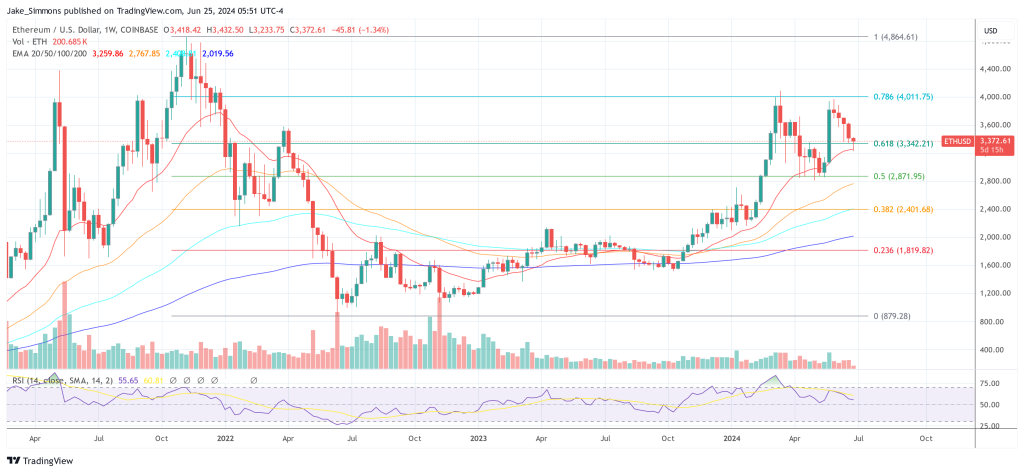
Featured image created with DALL·E, chart from TradingView.com
Shiba Inu Community Targeted By Wallet Scam, Don’t Fall Victim | Bitcoinist.com Bitcoinist
Source link ]]>
Indexed Finance has successfully averted two aggressive takeover attempts on its Decentralized Autonomous Organization (DAO). This blockchain-based entity, victim to a significant $16 million hack in 2021, faced recent threats from attackers aiming to commandeer its treasury. Yet, the community’s vigilance and strategic maneuvers ensured its safety, safeguarding assets worth about $120,000.
The Battle Against Malicious Proposals
The first sign of danger emerged when an attacker, leveraging significant holdings in the protocol’s NDX token, launched a covert proposal to seize control. This move, lacking any title or description, nearly slipped under the radar. However, the Indexed community, led by former core contributor Laurence Day, mobilized swiftly. They rallied a formidable defense, casting enough dissenting votes to thwart the attack barely an hour before its potential success.
Recognizing the likelihood of a repeat assault, Day and the team prepared. They anticipated another attempt, potentially exploiting an identified vulnerability that could endanger funds beyond the immediate treasury. They adopted a defensive strategy – a ‘poison pill’ proposal. This tactic would enable the burning of the treasury funds, a drastic measure aimed at deterring future attacks.
Indexed Finance Negotiations and Resolution
Indeed, a second threat materialized. This time, the attacker, emboldened, sought a direct negotiation, demanding a significant portion of the treasury. In a calculated move, Dillon Kellar, a founding member of Indexed, countered with an offer – a mere fraction of the demand, paired with a stark ultimatum. With the clock ticking, the attacker capitulated, accepting the $10,000 counteroffer and retreating.

In response to these threats, the Indexed team adjusted their strategy. They canceled the ‘poison pill’ proposal and instead transferred control of the timelock to a 2/3 multisig. This multisig, managed by Day, Kellar, and the pseudonymous co-founder PR0, represents a strategic pivot to ensure greater security and governance stability. This decisive action marks the end of a tumultuous chapter for Indexed, with the community emerging more robust and united in the face of adversity.
As Indexed Finance transitions from defense to restitution, the focus shifts to healing and rebuilding trust within the community. This episode not only demonstrates the resilience and solidarity of the Indexed DAO but also highlights the evolving nature of security and governance in the DeFi space. With the attackers thwarted and plans for victim compensation in place, Indexed Finance looks to a future where such incidents serve as lessons for more robust, more secure decentralized financial systems.
Read Also: Zipmex Thailand Announces Trading Halt Amid Regulatory Compliance

The presented content may include the personal opinion of the author and is subject to market condition. Do your market research before investing in cryptocurrencies. The author or the publication does not hold any responsibility for your personal financial loss.
EOS (EOS), Dogecoin (DOGE) become victim of bears while bulls … Cyprus Mail
Source link ]]>
✓ Share: