In a significant development for cryptocurrency wallet users, Wietse Wind, the founder of XRPL Labs and the creator of Xumm Wallet, has announced plans to integrate Mastercard debit card functionality into the Xumm wallet. This update revealed through tweets, demonstrates XRPL Labs’ commitment to enhancing the user experience and expanding the wallet’s capabilities.
Xumm Wallet Integrates Mastercard for Flexibility
Wind’s revelation came in response to an XRP enthusiast’s query about possibly using a debit card with Xumm. He indicated the integration would involve “Debit Mastercard, self custody, card authorization with custom on ledger limits on your account using a Hook.” This update aligns with XRPL Labs’ ongoing efforts to incorporate more traditional banking features into the digital currency, providing users with enhanced flexibility and control over their funds.
The integration of Mastercard with Xumm wallet is expected to streamline transacting with digital assets. Users will be able to leverage the global acceptance of Mastercard, enabling them to transact seamlessly across various platforms and services. The integration promises to bridge the gap between traditional financial services and the burgeoning world of digital currencies.
Alongside the Mastercard integration, Wind also touched upon the new functionalities for the Xumm-Tangem NFC hardware wallet cards. These cards, not intended for use at terminals and ATMs, offer a physical means of securing cryptocurrency assets. Wind clarified that the Tangem cards are primarily for hardware self-custody, unlike the proposed debit card functionality.
The Tangem NFC hardware wallet cards, as mentioned by Wind, will allow users to pre-fund their wallet card with a specific amount in XRP in addition to the account reserve. This feature enhances the security and convenience of users who manage their digital assets.
Xumm Integration Balances Fees with Innovation
The announcement was met with queries and concerns from the XRP community, notably regarding the potential for additional transaction fees. John Mcclain, an XRP user, expressed concern over the possibility of an extra 1% fee, drawing parallels to existing custody solutions like the U.S. exchange Uphold, which already imposes significant fees for debit transactions.
Responding to these concerns, Wind acknowledged that credit and debit card transactions inherently involve fees, which support features such as insurance and cashback, and contribute to revenue generation. He emphasized the importance of these fees in sustaining the financial infrastructure and recognized the need for alternative solutions to mitigate these costs.
Wind’s response reflects a broader understanding of the challenges in integrating traditional financial services with digital currency platforms. While acknowledging the necessity of fees in certain contexts, he also hinted at the potential for more innovative solutions that could reduce the financial burden on users.
Integrating Mastercard functionality into the Xumm wallet marks a significant step forward in converging traditional and digital financial services. This development enhances the utility of the Xumm wallet and signals a broader trend in the digital currency space toward greater interoperability with established financial systems.
Read Also: Why Is Luna Classic (LUNC) Price Skyrocketing Today?

The presented content may include the personal opinion of the author and is subject to market condition. Do your market research before investing in cryptocurrencies. The author or the publication does not hold any responsibility for your personal financial loss.
The company behind the XRP Ledger crypto wallet, Xumm, unveiled its plans to launch an “Infrastructure Overhaul” for the network. The company claims the upgrade will push the XRPL to the next level. According to an official announcement shared with Bitcoinist:
This isn’t just a technical upgrade; it’s a strategic move to reshape the very foundation of the XRPL, ensuring a sustainable, efficient, and inclusive future for all participants.
XRP Ledger Upgrade Goes Beyond? Implications For The Network
Xumm believes the XRP Ledger has an “advanced” infrastructure, but they aim to address some key issues impacting “flexibility” and performance. The company believes that with its present capabilities, the network has difficulty processing transactions and fetching historical data.
In the long run, these issues could affect the ledger’s capacity to onboard new users and use cases. Xumm’s new update is set to improve the ledger’s capacity to avoid bottlenecks while enhancing local node connections and “ensuring” access to real-time data.
As seen in the image below, the infrastructure upgrade will allow entities operating on the ledger to filter out transactions, avoid scam accounts, reduce network fees, and improve scalability. The company decided to donate the upgrade via software to the XRPL Foundation.
Wietse Wind, founder and CEO of XRPL Labs, stated:
This is, without a doubt, the most monumental upgrade to the XRPL infrastructure since its inception, marking a pivotal moment in our pursuit of a healthier, sustainable XRP Ledger.
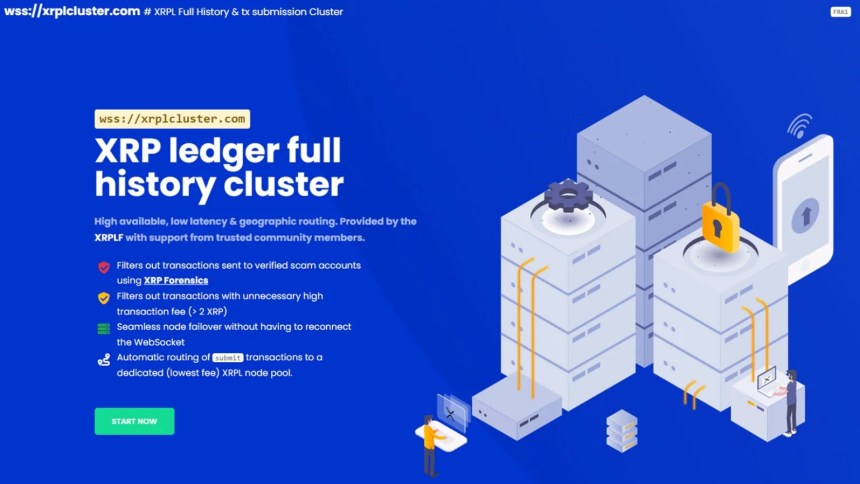
New Rewards For XRPL Users, The Airbnb Network
In addition to improving the XRPL’s infrastructure and ecosystem, Xumm wants to introduce a new monetization strategy to reward node operators. In that sense, the company claims to have “rebuilt the XRPL Cluster Software” to encourage users to stop relying on third parties.
This change will put more financial pressure on major platforms, such as non-fungible tokens or crypto trading platforms, rather than on the small individuals operating on the ledger. The company added:
In this ecosystem, quality hardware will be monitored, and users can plug in their node to the cluster, receiving queries from nearby sources. Those contributing resources will earn the lion’s share of the billing from larger consumers. It’s akin to an “Airbnb for XRPL infrastructure.”
Some of the benefits of this infrastructure update include:
- Better stability.
- Guarantee real-time transaction processing.
- Connection Consistency across the ecosystem.
Overall, individuals will benefit from these improvements. Xumm concluded:
This development ensures a flexible in-ecosystem platform where supply and demand can dynamically be matched. Keeping public infra flexible, scalable, and cheap.
XRP trades at $0.5 with sideways movement across small timeframes as of this writing.
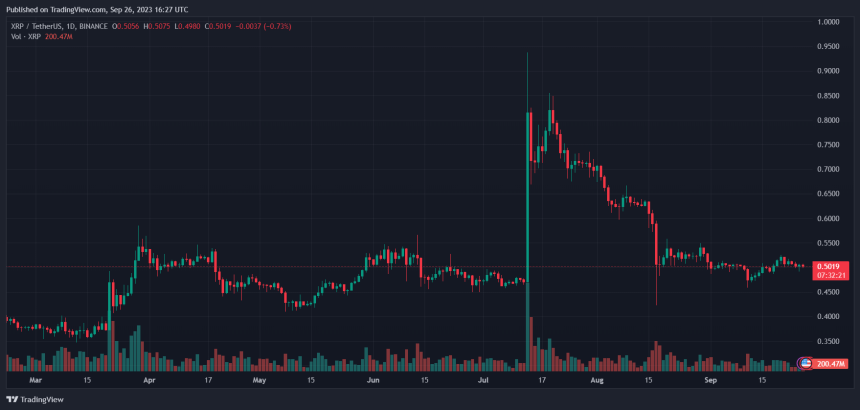
Cover image from Unsplash, chart from Tradingview
In an exciting move that has gained substantial attention in the crypto industry, XRPL Labs, a prominent innovator in the blockchain world, has unveiled the rebranding of its flagship wallet from Xumm to Xaman.
In a blog post, the firm highlighted that the strategic decision marks a critical milestone in the evolution of its product, bringing forth a fresh new look and additional features to provide customers with an even better experience.
The firm stated that the rebranding of Xumm goes beyond a mere visual facelift. It represents the firm’s advancement and expansion as a significant player in the blockchain ecosystem.
Furthermore, XRPL Labs acknowledged that the decision also reflects the importance of differentiation within the industry. As XRPL Labs observed the crypto ecosystem, it became clear that there were other organizations with similar names operating in the same market.
This generated worries about potential confusion among users and stakeholders. To overcome this issue and maintain a separate brand image, XRPL Labs made the strategic decision to rebrand its flagship wallet as Xaman.
While commenting on the update, Maaike van der Veen, Chief Business Officer at XRPL Labs highlighted that the rebranding aligns with the firm’s goal of bridging the crypto-retail divide while facilitating smooth acceptance and growth.
Recognizing the importance of adoption and widespread use, XRPL Labs has embarked on a mission to create innovative solutions that facilitate the integration of digital assets into everyday commerce.
Xaman, originally launched in 2019, quickly gained popularity among XRP enthusiasts for its user-friendly interface and has been used to launch products such as CasinoCoin Ledger.
XRPL Labs Engages in Community Development
With a strong commitment to collaboration and engagement, XRPL Labs actively invests in initiatives that empower and support the vibrant community surrounding its products and services.
The firm revealed that its lead Designer Tristan, a critical player in its transition to Xaman, will be representing The Netherlands and Xaman in the upcoming Footgolf World Cup.
From May 26th to June 6th, the Xaman team will proudly wear Xaman-branded shirts, emphasizing their support and representing the team’s unity. This effort demonstrates Xaman’s dedication to engaging with the community and expanding its footprint.

The presented content may include the personal opinion of the author and is subject to market condition. Do your market research before investing in cryptocurrencies. The author or the publication does not hold any responsibility for your personal financial loss.
✓ Share: